Key Takeaways
- Executive Council Resolution 11 of 2025 applies in Dubai alone. To work in another emirate, you need that emirate's licences and permits (Article 3(c)).
- Abu Dhabi's economic department (ADDED) issues a Dual Licence that lets an Abu Dhabi free zone company work outside its zone. Its page gives no fee.
- Sharjah's economic department (SEDD) describes a mainland branch for a free zone company in its FAQ. You need a no-objection letter from the Department of Free Zones and an agency contract.
- The RAK ICC and Innovation City regulations forbid UAE business outside the zone without the right licence. RAKEZ says its Dual License covers the Ras Al Khaimah mainland through a branch licence from RAK DED.
- A Qualifying Free Zone Person pays 0% only on qualifying income. Ordinary service or trading income from mainland customers usually doesn't qualify.
Your company has a free zone licence, and now a customer in Abu Dhabi, Sharjah or another emirate wants to buy from you. A free zone company can operate in mainland UAE, meaning anywhere outside a free zone, but how it does so depends on the emirate. The licence you hold covers business inside your zone. Selling beyond it takes a licence from that emirate's own economic department, a licensed distributor or agent, or a separate mainland company. Each emirate describes its option in its own way. And Dubai's rules end at Dubai's border.
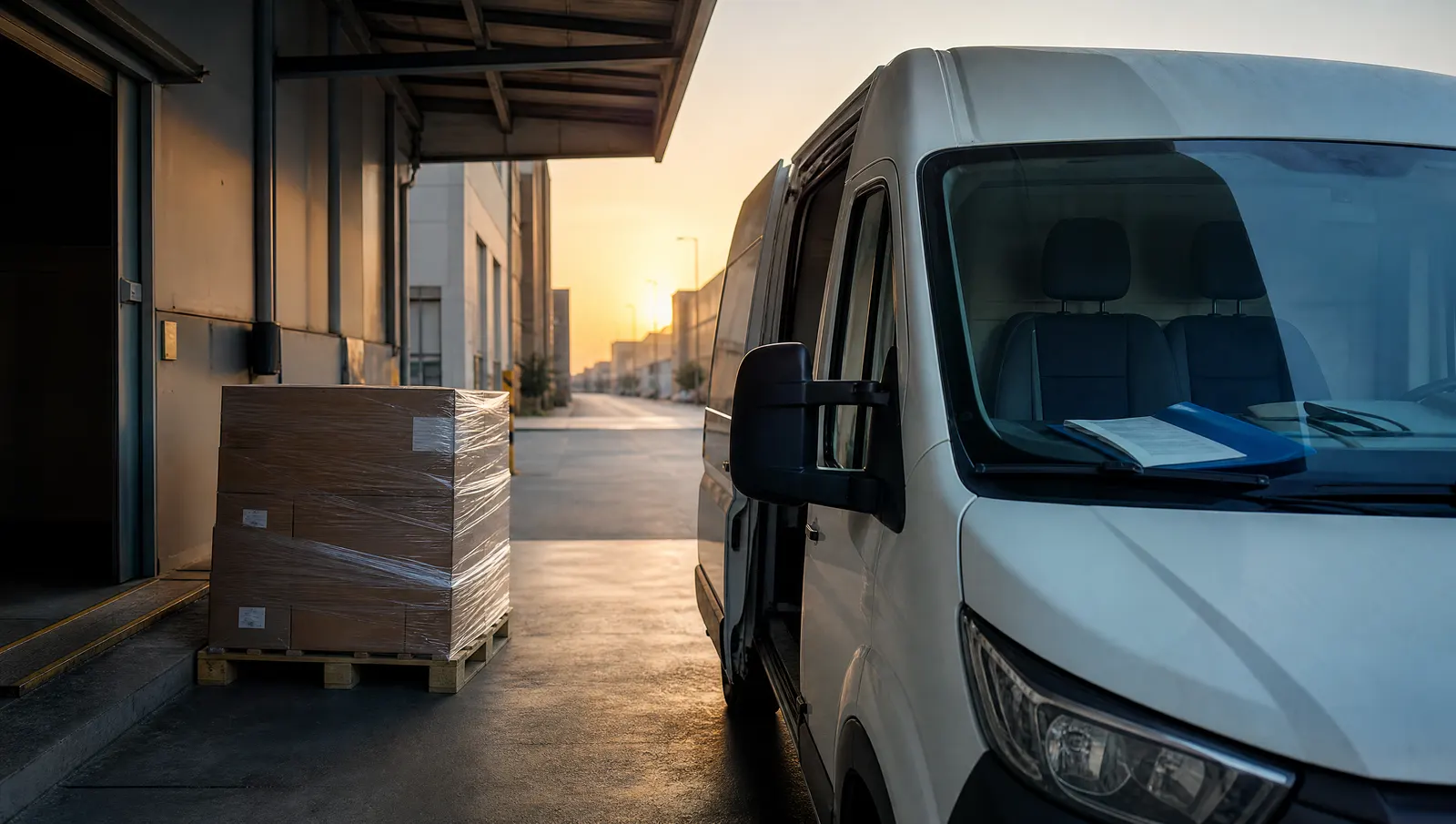
Three ways to sell to the UAE market from a zone
Start with one question: who sends the invoice to the UAE customer? Your answer shows which option is open to you.
- If your company issues the invoice, signs the contract or holds stock for UAE customers, it needs a licence in the emirate where that business happens.
- If a licensed distributor buys from you and resells, you're selling to the distributor. The local sale then runs under the distributor's licence, not yours.
- If the UAE is your main market, a separate mainland company may suit you better than a free zone company with extra licences added on.
Customs duty, value added tax (VAT) and Corporate Tax depend on the facts of each sale. Check them one by one for whichever option you pick. Use the table to see what each emirate has published so far (as of October 2026).
| Emirate | Option the authority describes | What is published |
|---|---|---|
| Dubai | Mainland branch, a branch run from the free zone, or a permit (Resolution 11 of 2025) | AED 10,000 a year for the branch run from the free zone. AED 5,000 for a permit of up to six months. No fee set for the mainland branch |
| Abu Dhabi | ADDED Dual Licence | A description on ADDED's page, with no fee |
| Sharjah | Branch through SEDD. Sharjah Publishing City and SRTIP say a dual licence exists | SEDD lists the documents for a branch. Its FAQ has no entry for a dual licence |
| Ajman | Freelancer companies may use their licence on the mainland (AFZ FAQ) | No conditions published |
| Ras Al Khaimah | RAK DED licence, an RAK ICC subsidiary, or the RAKEZ Dual License | The RAKEZ Dual License combines the free zone licence with a branch licence issued by RAK DED (RAK Media Office, 7 January 2022) |
Dubai's options end at the emirate's border
Executive Council Resolution 11 of 2025 is for companies licensed by a Dubai free zone authority. Financial firms in the Dubai International Financial Centre (DIFC) aren't covered (Article 2). Under the Resolution, the Department of Economy and Tourism (DET), Dubai's mainland licensing office, can issue a mainland branch licence, a licence for a branch run from the free zone, or a permit for up to six months. People in the market call the second one a dual licence.
Your free zone's licensing authority has to approve any of them first. Article 12 sets the fees at AED 10,000 a year for the branch run from the free zone and AED 5,000 for the permit (as of October 2026). The Resolution gives no fee for the mainland branch.
Since 8 October 2025, a free zone company with a Dubai Unified Licence (DUL), the single business ID that DET issues in Dubai, can apply online for the six-month permit through Invest in Dubai. The first phase is limited to non-regulated activities (Dubai Media Office, 8 October 2025). Any work outside the zone needs its own financial records (Article 3(b)(2)).
The limit sits in Article 3(c). Operating outside Dubai takes the licences and permits of the authorities in that other place. A Dubai permit gives you no rights in Abu Dhabi, Sharjah or any other emirate. For Dubai's own rules, see the guide to a free zone company in Dubai and the comparison of mainland versus free zone.
Abu Dhabi uses the ADDED Dual Licence
Abu Dhabi's option is the Dual Licence from the Abu Dhabi Department of Economic Development (ADDED). We read ADDED's licensing page in October 2026, and the Dual Licence is one of the licence types it lists. According to the page, the licence "allows establishments registered in the free zones of Abu Dhabi to carry out their activities" outside the free zones.
No fee is shown. You'll have to get it from the free zone and from ADDED. Masdar City's guide explains how the process runs: you send the request through the free zone, ADDED reviews it and then issues the licence.
KEZAD (Khalifa Economic Zones Abu Dhabi) lists the dual licence on its free zone page next to distributors and local agents. The FAQ of ADAFZ, the Abu Dhabi Airports Free Zone, says trading directly with local customers usually needs a mainland licence or a local distributor. Abu Dhabi Global Market (ADGM) has its own dual licence arrangement with ADDED, which the guide to ADGM company setup covers.
Sharjah, Ajman and Ras Al Khaimah
Sharjah's Department of Economic Development (SEDD) describes how a free zone company can open a branch on the mainland. Its FAQ asks for the licence and the company register, board minutes and an agency contract with a local agent. You also need registration with the Ministry of Economy (now the Ministry of Economy and Tourism) and a no-objection letter from the Department of Free Zones.
SAIF Zone, the Sharjah Airport International Free Zone, says its licence is valid only inside the zone. Branches outside need the approval of the local authority. A SHAMS company may open a branch or subsidiary if the relevant authorities approve, as the SHAMS profile explains.
Two other Sharjah zones, Sharjah Publishing City and SRTIP (the Sharjah Research, Technology and Innovation Park), say you can get a dual licence that combines a free zone licence with a Sharjah mainland licence. Neither publishes the requirements, and SEDD's FAQ doesn't mention a dual licence at all. Get SEDD to confirm the option in writing before you rely on a zone's marketing claim.
Ajman Free Zone (AFZ) says in its FAQ that a freelancer company can use its licence on the mainland, but it gives no conditions. The same FAQ says goods are distributed through authorised distributors, and that the branch of a foreign company sells through an agent or distributor registered in the UAE. For other types of company, take the question to Ajman's Department of Economic Development and to the zone.
Ras Al Khaimah has written rules on this. The Business Companies Regulations 2018 of RAK ICC, the Ras Al Khaimah International Corporate Centre, forbid business in the UAE outside the zone without the appropriate licence (regulation 40(8)). The Innovation City Companies Regulations 2023 say the same (Part 3, regulation 9(2)). Under a memorandum from August 2021, an RAK ICC company can operate in Ras Al Khaimah through a subsidiary licensed by RAK DED, the emirate's Department of Economic Development. Offshore companies are covered in the guide to an offshore company in the UAE.
RAKEZ, the Ras Al Khaimah Economic Zone, describes its Dual License as a free zone licence plus a branch licence for the free zone company. Together they let the company operate on the mainland as well as in free zones. The RAK Media Office (7 January 2022) says RAK DED issues that branch licence. In practice the option covers Ras Al Khaimah and no other emirate. Check with RAKEZ which activities it allows before you sell on that basis. Its package structure is described in RAKEZ free zone packages.
Umm Al Quwain's free trade zone sends UAE sales through licensed agents or distributors. Fujairah Creative City's FAQ says a company can operate anywhere, though renting an office outside the zone needs a no-objection letter.
Selling through a distributor
Several zones point to a distributor as the normal way to reach local customers. Ajman Free Zone, KEZAD and RAKEZ each say this in their FAQs or on their pages. SAIF Zone adds that goods can be sold into the UAE once the relevant customs duties are paid.
A distributor buys and resells on its own account, under its own licence. Your company sells to the distributor and has no direct relationship with the UAE customer. The price you pay for that arrangement is the distributor's margin and the terms of the contract.
Problems start when a company chooses the distributor option but its own staff still negotiate with UAE customers and send them quotes and invoices. Ask the licensing authority whether that counts as direct trading, which would need one of the licence options above.
Tax on mainland income and the Qualifying Free Zone Person test
Selling to the mainland also affects Corporate Tax, the federal tax on company profits. A Qualifying Free Zone Person (QFZP), a free zone company that meets the conditions for the 0% rate, pays 0% on qualifying income alone (Cabinet Decision 100 of 2023 and Ministerial Decision 229 of 2025). Income from deals with businesses or people outside the free zones qualifies only for Qualifying Activities that aren't Excluded Activities. That's why ordinary services, consulting or trading income from mainland customers generally doesn't qualify.
Then there's the de minimis test, a cap on non-qualifying revenue. If that revenue goes above 5% of total revenue or AED 5,000,000, whichever is lower, the company loses QFZP status for that period and the next four (Ministerial Decision 229, Articles 3 and 5). Say your revenue is AED 4,000,000. Your cap is then AED 200,000 of non-qualifying revenue.
A free zone company outside the regime pays 0% up to AED 375,000 and 9% above that (Federal Decree-Law 47 of 2022 and Cabinet Decision 116 of 2022). The Dubai Media Office adds that mainland revenue earned under the Dubai permit is taxed at 9% (8 October 2025).
Your tax result follows the option you choose. Before deciding, have a corporate tax consultant give you a short opinion based on your own invoices.
Matching the option to your customers
Two things decide the option: where your customers are and how long the work will last. Take Dubai. Two permits in a row cost AED 10,000 over twelve months, the same as one year of the branch run from the free zone. Going by the Resolution's fees alone, the permit only works out cheaper when the mainland work lasts six months or less.
Customers in one emirate point you to that emirate's option. If they're spread over several emirates, you'll need a licence in each, because the Dubai options cover Dubai alone. At that point a separate mainland company may be the simpler choice.
There's one more possibility. Under the 2025 amendment to the Companies Law, a company may move its registration between a free zone and the mainland without being liquidated, subject to implementing rules. Check with both authorities whether the procedure is actually open before you plan around it. The full list of zones is in free zones in the UAE.
AdvisoryHub may receive a fee when you request an introduction; it does not affect the information on this page.
More Company Setup Guides
Related Company Setup Guides
- UAE free zone list by emirate, with authorities and websites
- Free zone company Dubai, choosing a zone, visas and tax
- ADGM registration, licence fees and Abu Dhabi dual licence
- RAKEZ free zone packages, visas and the Dual License wording
- Free zone vs mainland Dubai, six questions to decide
- Offshore company in Dubai, what it can and cannot do
- SHAMS freezone in Sharjah Media City, licence and visa
- DMCC company registration, costs, visas and who it suits