Key Takeaways
- HFZA expects audited accounts in step with your licence cycle
- The same audited figures help with renewal, bank finance and corporate tax
- At factories and traders, the auditor spends most time on stock and costs
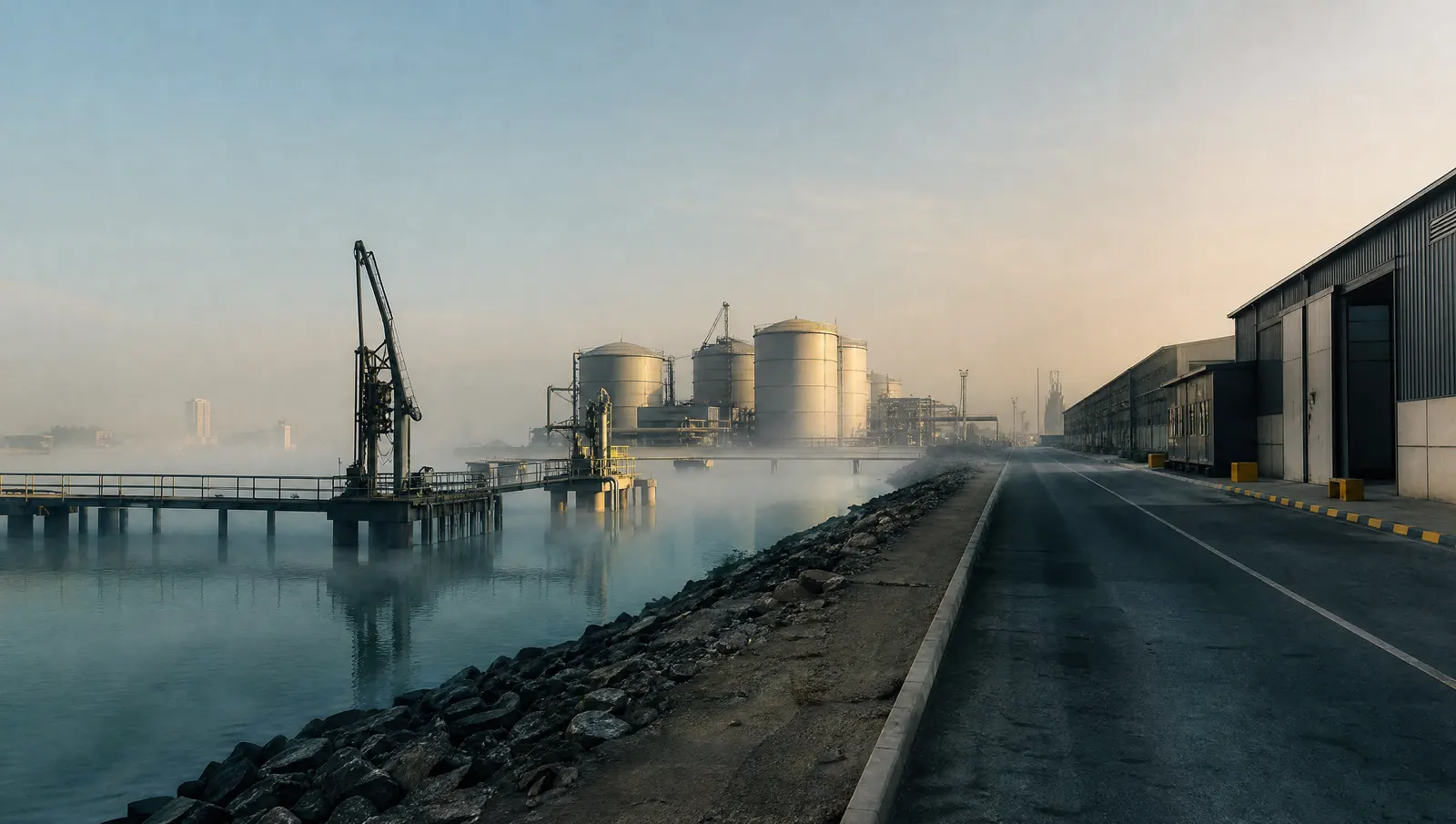
Most companies in the Hamriyah Free Zone make, store or ship physical goods. The zone is run by the Hamriyah Free Zone Authority (HFZA) in Sharjah. Many of its tenants hold a lot of stock and machinery, so their audit also checks that the stock in the books is really in the warehouse and that costs and margins add up.
What HFZA expects from its companies
HFZA expects its companies to prepare audited financial statements, meaning your yearly accounts after an independent auditor has checked and signed them. The timing follows your licence cycle. The audit goes faster if you count stock regularly and record production costs as you go, not in the last weeks of the year.
What auditors check at an industrial or trading firm
- Stock: does it exist, what is it worth, and is the cut-off right (each sale and purchase in the correct year)
- Cost of goods sold, what the products you sold cost you, and how production costs are recorded
- Plant, machinery and the yearly depreciation on them
- Import and export paperwork and the VAT on those shipments
How the HFZA audit links to corporate tax and bank finance
Your corporate tax return starts from the profit in your accounts, and audited accounts give that return a firmer base. Banks also deal with loan applications more smoothly when they can see audited figures. For manufacturers, stock and production costs flow straight into taxable profit. If the stock figure is wrong, so is the tax.